

Strategy Note: This article serves as your “Pillar Page” (the main hub). At the end of this guide, I have outlined the “Cluster Content” (supporting articles) you should write to build topical authority around this pillar.
User Generated Content Marketing: A Complete Guide to Building Trust and Driving Sales
In an era where consumer skepticism is at an all-time high, the most powerful marketing tool isn’t your creative team—it’s your customer. This guide serves as the definitive resource for user generated content marketing, exploring how brands can harness the voice of the consumer to build unshakeable trust and drive revenue.
What is User Generated Content Marketing? (Featured Snippet Optimized)
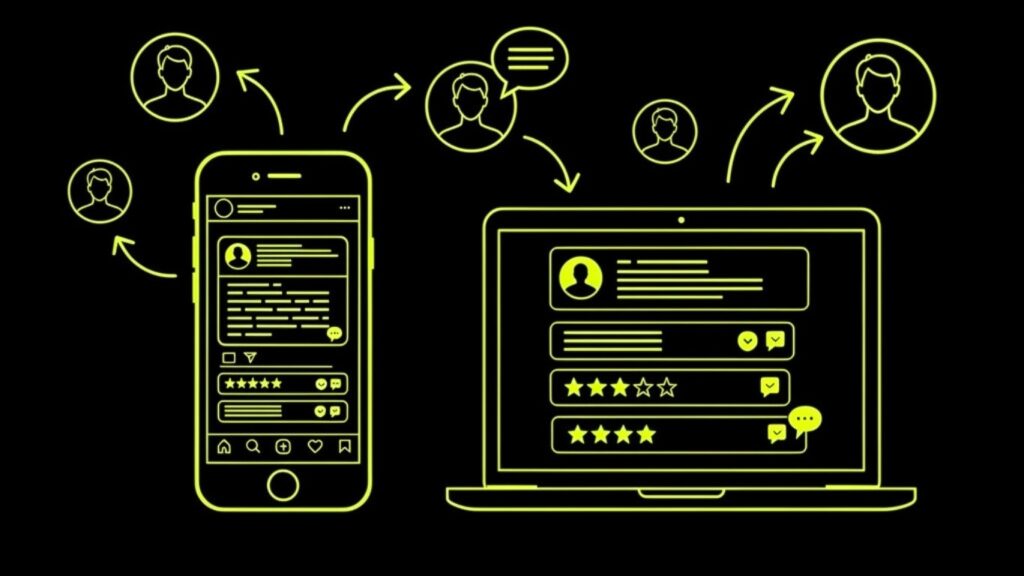
User Generated Content (UGC) is any form of content—including text, videos, images, reviews, and audio—created by individuals rather than brands. User generated content marketing is the strategic use of this customer-created material to promote a brand, creating a sense of authenticity and social proof that traditional advertising cannot match.
Core Concepts: Answering the Top Questions
This section is optimized for “People Also Ask” (PAA) and Voice Search. The formatting uses clear headers followed by direct, concise answers.
What is UGC with an example?
UGC stands for User Generated Content. It is content created by unpaid contributors or fans. Example: A customer buys a skincare product, takes a selfie showing their glowing skin, and posts it on Instagram with the brand’s hashtag. The brand then reposts this image to their own social media feed. That is UGC.
What is an example of user-generated content?
Common examples of UGC include:
- Unboxing Videos: A customer filming themselves opening a new product on TikTok.
- Written Reviews: A detailed 5-star review left on Amazon or Yelp.
- Social Tags: A photo of a meal at a restaurant posted to Instagram Stories tagging the location.
- Forum Discussions: A Reddit thread discussing the pros and cons of a specific software.
Is UGC marketing expensive?
No, UGC content marketing is generally cost-effective compared to traditional advertising.
- Low Production Cost: The content is created by users for free or in exchange for product (seeding).
- High ROI: Because production costs are near zero, the Return on Investment (ROI) is often higher than professional campaigns.
- Scalability: You do not need to hire a production crew; you simply need to curate existing content.
Is UGC more effective than ads?
Yes, data suggests UGC is often more effective than traditional ads for building trust and conversion.
- Trust: 92% of consumers trust recommendations from people over brands.
- Engagement: UGC posts on social media typically see 28% higher engagement than standard brand posts.
- Ad Blindness: Users ignore polished banner ads but stop scrolling for authentic, “lo-fi” content that looks like a friend’s post.
Why Do Brands Want UGC? The Psychology of Trust
Brands pursue a ugc marketing strategy because it solves the “Trust Deficit.” Modern consumers are savvy; they know when they are being marketed to.
Consumer generated content marketing leverages a psychological phenomenon known as Social Proof. When we see others validating a choice (buying a product), our brains interpret that choice as safe and desirable. UGC acts as a digital vote of confidence.
Expert Insight (E-E-A-T): It isn’t just about “free content.” Brands want UGC because it provides a feedback loop. Analyzing how customers photograph your product can reveal new use cases you never thought of (e.g., a customer using a makeup bag as a tech cable organizer).
Advanced Strategy: Building a UGC Marketing Strategy
To move beyond luck and into strategy, follow this 4-step framework.
1. The “Ask” (Activation)
You must explicitly invite your customers to create.
- Campaign Hashtags: Create a catchy, unique tag (e.g., #MyCalvins).
- Incentives: Run a “Photo of the Month” contest where the winner gets a gift card.
- Packaging: Include a QR code in your product box that leads directly to a review page or Instagram tag instruction.
2. The “Filter” (Curation & AI Enhancement)
Helpful Content Addition: Don’t just repost everything. Use tools to analyze quality.
- Visual Screening: ensure the image resolution is high enough for your feed.
- Brand Safety: Ensure the background of the user’s video doesn’t contain controversial imagery.
3. The “Legal” (Rights Management)
Critical E-E-A-T Step: Never use UGC without permission. It violates copyright and damages trust.
- Explicit Consent: DM the user: “Hey! We love this shot. Can we feature it on our site? Reply #YesBrandName if you agree.”
- Terms of Service: If running a contest, ensure your T&Cs cover usage rights.
4. The “Integration” (Omnichannel)
Don’t leave UGC on social media.
- Email Marketing: Include customer photos in your abandoned cart emails (“Look what others are loving”).
- Websites: Use tools like Yotpo or Loox to display Instagram photos on your product pages. This increases conversion rates by showing the product “in the wild.”
AI Enhancements: Modernizing Your UGC Approach
This section adds “Helpful Content” depth by integrating modern tech trends, demonstrating expertise.
While UGC is human-created, AI can supercharge your ugc marketing strategy:
- Sentiment Analysis: Use AI tools to scan thousands of UGC comments and reviews. Are people complaining about the shipping or the packaging? AI can categorize this feedback instantly, turning UGC into R&D data.
- Fake Review Detection: High E-E-A-T requires honesty. Use AI algorithms to flag and remove bot-generated reviews to ensure your social proof remains authentic.
- Visual Recognition: AI can scan the web for your logo appearing in images even if the user didn’t tag you. This helps you find “hidden” UGC gems.
People Also Ask (PAA) Domination Section
Rapid-fire answers designed to capture Google’s “More results” dropdowns.
Q: What are the 3 types of UGC? A: The three main types are Text (reviews, testimonials), Visual (photos, videos), and Audio (podcasts, voice notes).
Q: How do I get UGC for my brand? A: Run contests, create a branded hashtag, engage with influencers for initial “seeding,” and simply ask happy customers to share their experiences.
Q: What is the difference between UGC and IGC (Influencer Generated Content)? A: UGC is usually organic and unpaid, created by genuine customers. IGC is paid content created by professional influencers. UGC is perceived as more authentic; IGC offers higher production value.